
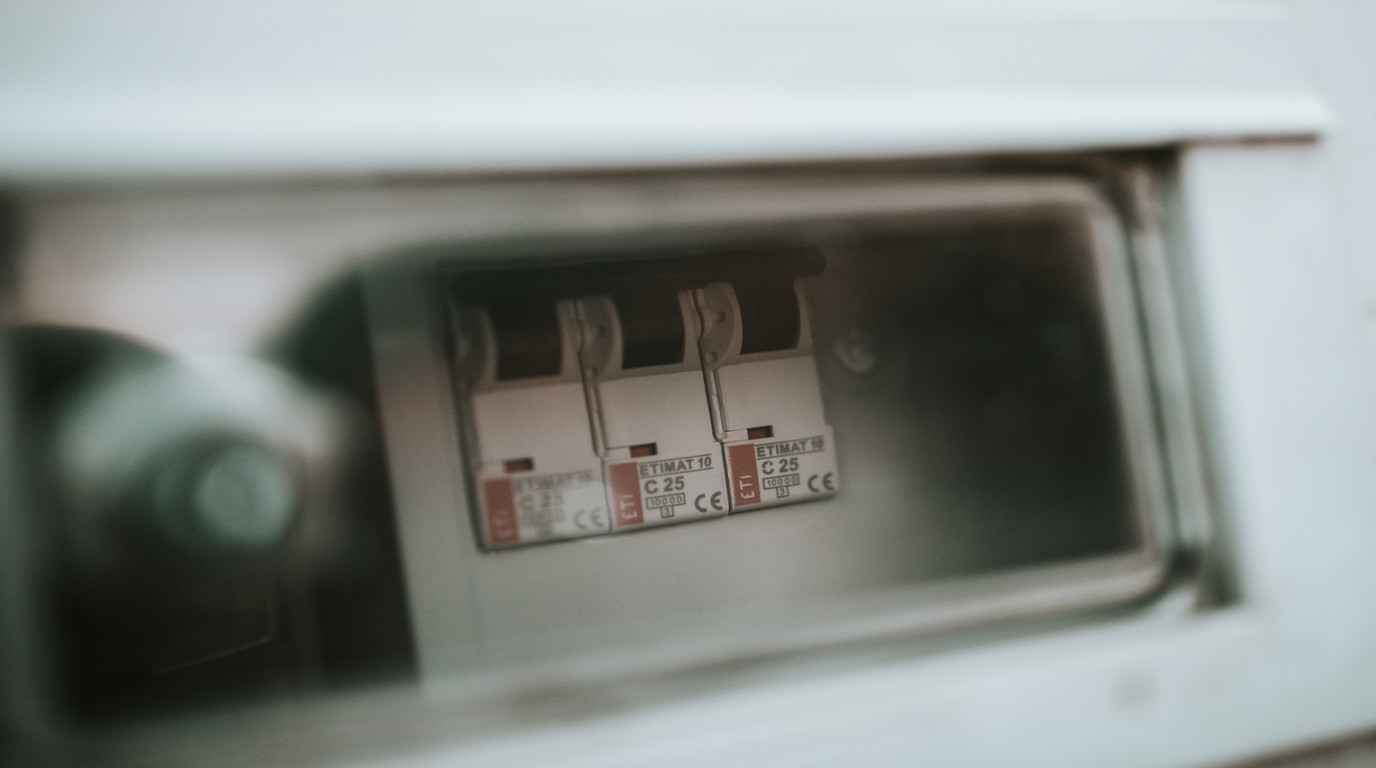
The standard residential electrical panel has remained largely unchanged since the mid-20th century: a passive steel enclosure housing thermal-magnetic circuit breakers designed solely to trip when copper conductors overheat. In an era of bidirectional clean energy, rooftop solar, stationary storage batteries, and variable electric tariffs, these dumb breaker boxes have become the single largest bottleneck in modern smart home automation.
When prospective smart home builders evaluate energy management, marketing campaigns push whole-home panel replacements like the 32-circuit SPAN Panel. However, for existing homes, gutting an existing main breaker panel requires cutting utility power, pulling a city permit, and navigating utility transformer constraints. In 2026, the superior engineering compromise is retrofitting a dedicated smart electrical subpanel.
Is a Smart Electrical Subpanel Better Than Replacing Your Main 200A Breaker Panel?
When executing a subpanel retrofit, the existing main electrical panel remains 100% intact, serving as the utility pass-through and powering non-critical low-draw household circuits (LED lighting runs, basic bedroom outlets, smoke detectors). A high-amperage feeder breaker (typically 60A to 100A) routes power into the smart subpanel, which houses all heavy-draw and backup-critical circuits:
- Dedicated Electrification Hub: The smart subpanel aggregates the Level 2 EV wallbox, heat pump air handler, condenser, heat pump water heater, and kitchen induction range into an intelligent, software-controlled enclave.
- Zero Utility Interruption: Because the main utility meter base, ground rods, and service entrance conductors are not altered, the installation does not require the local power utility to de-energize the street transformer or issue new grid interconnection approvals, slashing project turnaround time from three months to a single afternoon.
How Does Dynamic Load Shedding in a Smart Subpanel Prevent Panel Overloads?
The National Electrical Code historically mandated that panels be sized for absolute theoretical worst-case coincident demand—assuming every burner on the range, the dryer, the heat pump, and the EV charger are running at maximum capacity simultaneously. In real-world living, coincident peak demand rarely exceeds 40% of connected load.
Under modern revisions (NEC 625.42 and NEC 750), certified smart energy management systems (EMS) are legally recognized to throttle loads dynamically:
- Main Lug Current Sensing: High-precision Rogowski coils or split-core CTs monitor real-time current draw across Phase A and Phase B at the main utility lugs.
- Microsecond Priority Hierarchies: In software, circuits are assigned tier rankings. Tier 1 (Refrigeration, Medical, Networking, Heating) is protected at all costs. Tier 3 (EV Charging, Pool Heat Pump) is discretionary.
- Sub-Cycle Load Throttling: If the oven and dryer engage while an EV is drawing 48A (11.5 kW), the smart subpanel communicates with the EV charger via OCPP or dry-contact relays, throttling charging down to 16A or pausing it entirely until the dryer finishes its cycle, keeping total main panel draw comfortably below the 80% continuous safety limit.
| Architecture Type | Controllable Circuits | Typical Hardware Cost | Labor & Electrician Cost | Utility Upgrade Required? | Home Assistant Integration |
|---|---|---|---|---|---|
| Dedicated Smart Subpanel (SPAN / Schneider Pulse) | 16 – 32 Controllable Circuits | $2,400 – $4,500 | $1,800 – $3,200 | No (100A/150A Avoidance) | Native Local WebSocket / Modbus |
| Full Main Panel Replacement (SPAN 32 Main) | 32 Whole-Home Circuits | $4,500 – $5,500 | $4,000 – $8,500 (Includes utility fees) | Frequently Yes (200A/400A drop) | Native Local API |
| Modular Smart Breakers (Leviton Smart Load Center) | Per-Breaker Modular (Wi-Fi/Zigbee) | $1,200 – $2,800 ($80/breaker) | $2,500 – $4,000 | Requires Leviton panel swap | Cloud API / Custom Integration |
| CT Energy Monitor Only (Emporia Vue 3 / Sense) | Monitoring Only (0 Remote Switching) | $180 – $350 | $300 – $600 (DIY friendly) | No shedding capability | ESPHome / Local MQTT (Exceptional) |
Home Assistant Local Energy Automation & Dynamic TOU Arbitrage
While proprietary companion apps from SPAN and Schneider provide polished mobile dashboards, true luxury estate automation requires local control. Tying your smart subpanel into Home Assistant via local Modbus TCP or WebSocket APIs unlocks dynamic automation that cloud-only platforms cannot match:
- Dynamic Time-of-Use (TOU) Tariff Automation: Pull live hourly electric tariff pricing from your utility’s API. When electricity spikes to on-peak rates ($0.45/kWh between 4:00 PM and 9:00 PM), Home Assistant instructs the subpanel to shed pool pumps and pre-charge water heaters before the peak window, as detailed in our guide on Home Assistant Battery Storage & Dynamic TOU Automation.
- Solar Self-Consumption Optimization: Monitor live net solar production. When rooftop solar exceeds household baseload by 3.5 kW, automatically activate discretionary subpanel breakers to heat domestic hot water or charge vehicles on 100% free clean energy.
Frequently Asked Questions About Smart Electrical Subpanels
Can a smart subpanel legally pass electrical inspection on a 100-amp service?
Yes. Under NEC 625.42 and 750, certified Energy Management Systems (EMS) that possess automated load-shedding capabilities are officially permitted to calculate connected load based on maximum controlled threshold rather than cumulative nameplate ratings.
What is the difference between SPAN Panel and Schneider Square D Wiser?
SPAN is a ground-up solid-state digital panel featuring individual relay control on every circuit and sub-millisecond metering. Schneider Square D with Wiser Energy uses standard mechanical plug-in QO breakers paired with modular smart relays and CT clamps, offering lower hardware costs and widespread electrician familiarity, as analyzed in our review of Square D Smart Panels vs. SPAN Panel Teardown.
Does a smart subpanel work during a power outage with a battery?
Yes. In fact, smart subpanels are the premier companion to home batteries like the Tesla Powerwall 3 or Enphase IQ 5P. During a blackout, the smart subpanel automatically isolates heavy non-critical loads, extending an 13.5 kWh battery from 8 hours of whole-home run time to over 48 hours of critical-load survival.