
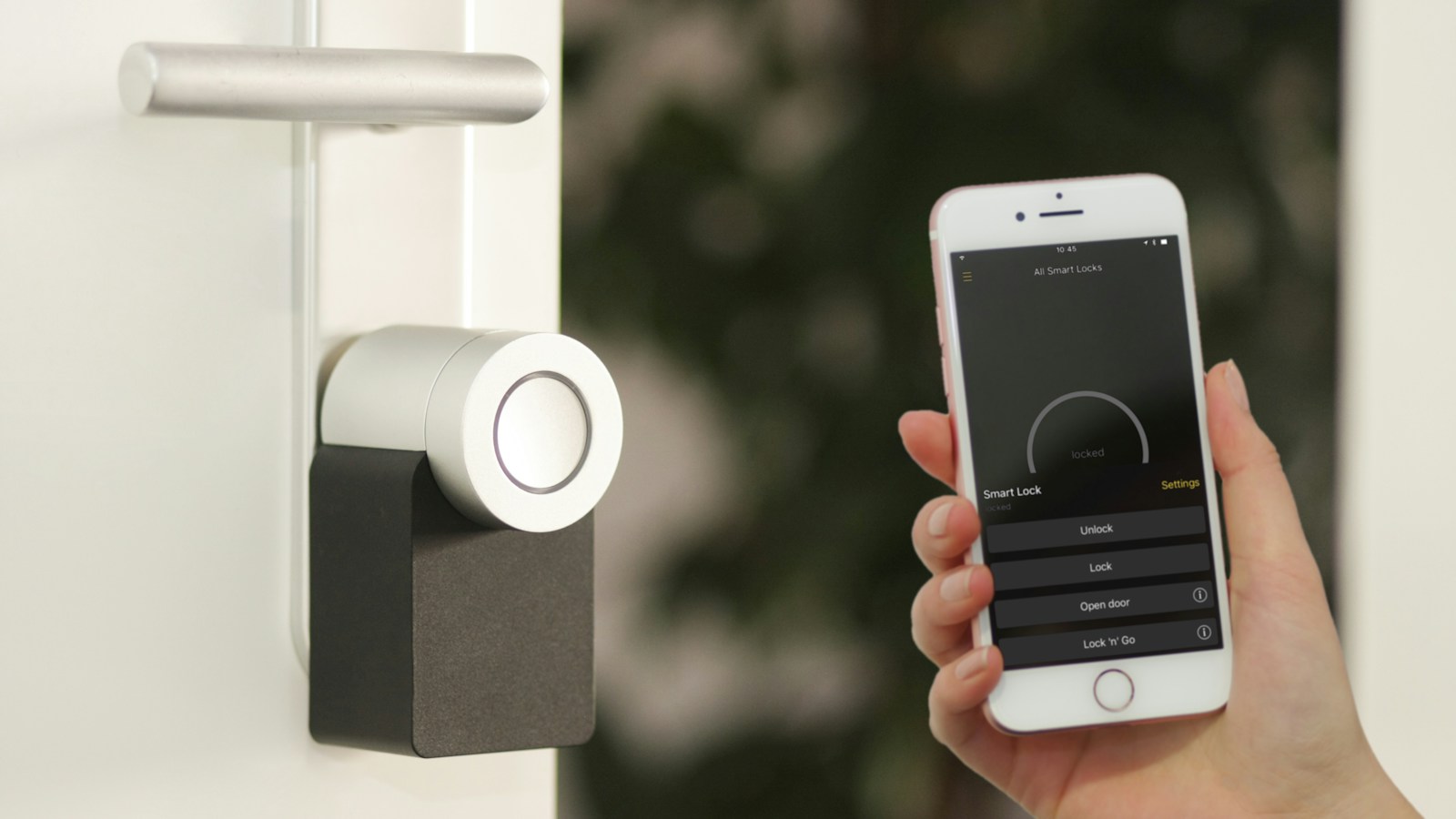
For luxury residential estates and modern smart homes, the front entry is the single most critical intersection of physical security, low-voltage infrastructure, and digital user experience. While consumer smart doorbells like Ring and Nest plague homeowners with 3-to-6-second cloud round-trip latencies and mandatory monthly subscription tolls, prosumer architects demand sub-100ms bidirectional video intercoms, local biometric or NFC access, and failsafe electronic door strike integration. In 2026, the reference benchmark pits Ubiquiti’s polished, turn-key UniFi Protect G4 Doorbell Pro PoE ecosystem against open-source, local-first Session Initiation Protocol (SIP) endpoints integrated natively into Home Assistant.
- Latency Benchmark Forensics: Hardwired Power-over-Ethernet (PoE) UniFi G4 Doorbell Pro units deliver sub-80ms video call setup to wall-mounted Protect viewports and mobile devices over local LAN. Open-source SIP (FreePBX / Asterisk) achieves sub-40ms voice initiation across in-wall touch panels.
- Hardware Access Integration: The G4 Doorbell Pro features integrated dual cameras (5MP main 4K HDR + downward package camera), a programmable OLED display, fingerprint scanner, and NFC reader capable of triggering dry-contact relay strikes via UniFi Access hubs.
- Local Ecosystem Synergy: Pairing either architecture with local edge vision servers—such as our Frigate NVR 0.16 Hailo-8 accelerator setup or Home Assistant Proxmox micro-servers—eliminates all cloud dependencies while enforcing zero-leak privacy.
The Death of Cloud Video Doorbells
As documented extensively in our PoE security camera audit, cloud-dependent doorbells are fundamentally unsuited for high-end residential infrastructure. When a visitor presses a Ring or Google Nest doorbell, the video stream traverses outbound residential internet, negotiates remote AWS/GCP servers, transcodes the stream, and sends an APNS/FCM push notification back to the homeowner’s smartphone. By the time the video handshake completes (frequently 4 to 8 seconds later), delivery drivers have dropped the parcel and walked away.
Furthermore, cloud doorbells offer zero native integration with architectural access hardware—such as motorized mortise locks, electric strikes, or magnetic shear locks. Modern estates require instant, local-network video distribution where touching a wall panel unlocks physical gates in under a second.
Head-to-Head Architecture Matrix
| Architecture Dimension | Ubiquiti UniFi Protect G4 Doorbell Pro PoE | Home Assistant + Local SIP Intercom (Akuvox/2N) |
|---|---|---|
| Connection & Power | Direct Cat6A PoE (802.3af, 7W draw) | Cat6A PoE (802.3af / 802.3at) |
| Camera Sensor Setup | Dual: 5MP Main (2688×1512) + 2MP Downward | Single 2MP–5MP WDR Lens with IR Night Vision |
| Call Setup Latency (LAN) | < 90 ms to Protect Chime & Mobile | < 45 ms (Direct SIP peer-to-peer audio) |
| Access Credentials | Integrated Fingerprint Scanner + NFC / Apple Watch | RFID / NFC / PIN Keypad / Facial Recognition |
| Door Strike / Relay Control | Requires UniFi Access Hub (Dry Contact 12V 1A) | Direct on-board relay outputs (NO/NC 30V 2A) |
| Cloud Dependency & Cost | 100% Local (Zero subscription forever) | 100% Local Open-Source (Zero subscription) |
| Deployment Complexity | Plug-and-play within UniFi Console (Dream Machine) | Advanced: Requires Asterisk PBX, SIP trunking, WebRTC |
Wiring & Physical Relay Integration: The Electric Strike Blueprint
To implement truly secure keyless access, never wire an electric strike directly to the outdoor doorbell terminals where a malicious actor could pry the doorbell off the wall, short the wires, and breach the residence. Commercial-grade architecture dictates a two-tier perimeter:
- Outdoor Credential Reader: The UniFi G4 Doorbell Pro or SIP station acts purely as an encrypted reader transmitting data over Cat6A.
- Indoor Access Controller / Relay Hub: The strike wires terminate inside the secure conditioned envelope into a UniFi Access Hub or an ESPHome/Shelly relay controller powered by a dedicated 12V DC linear power supply with battery backup. When an authenticated credential (NFC card, fingerprint, or Home Assistant dashboard button) is confirmed, the indoor relay energizes the strike for a programmable 4-second pulse.
Integrating with Home Assistant Dashboard Touchscreens
For high-end residences with dedicated in-wall tablets (e.g., Apple iPad mounts or POE Android touchscreens), both systems integrate seamlessly via the Home Assistant WebRTC Camera component. Utilizing go2rtc backends, RTSP streams from the G4 Doorbell Pro stream directly into custom Lovelace dashboards with sub-second latency, automatically pausing multi-room Sonos or Dante architectural audio when the doorbell rings.
For 90% of luxury homeowners seeking reference-grade entry security without building a custom telecommunications stack from scratch, the UniFi Protect G4 Doorbell Pro PoE is the absolute gold standard. Its dual-camera package detection, instant LAN streaming, built-in fingerprint and NFC credentials, and zero-subscription model deliver unbeatable reliability. For commercial estates requiring multi-tenant PBX calling or hardened vandal-proof stainless steel stations, open SIP hardware paired with Home Assistant provides infinite programmatic customization.
People Also Ask
Can the UniFi G4 Doorbell Pro PoE unlock a door directly?
The G4 Doorbell Pro itself does not contain high-voltage relays. To unlock an electric door strike or magnetic lock, it must be paired with a UniFi Access Hub or integrated via Home Assistant with an internal relay controller for security reasons.
Does the UniFi G4 Doorbell Pro work without internet?
Yes. Because UniFi Protect runs locally on your UniFi Cloud Gateway (UDM Pro, UNVR), all video streaming, motion detection, and chime notifications operate 100% locally on your LAN even during a complete internet outage.
What is the package camera resolution on the G4 Doorbell Pro?
The G4 Doorbell Pro features a secondary downward-angled camera with a 2-megapixel sensor (1600×1200 at 2 FPS) dedicated specifically to package detection on the doorstep.